Pico Laser Removal: The High-Tech Path to Clearer Skin
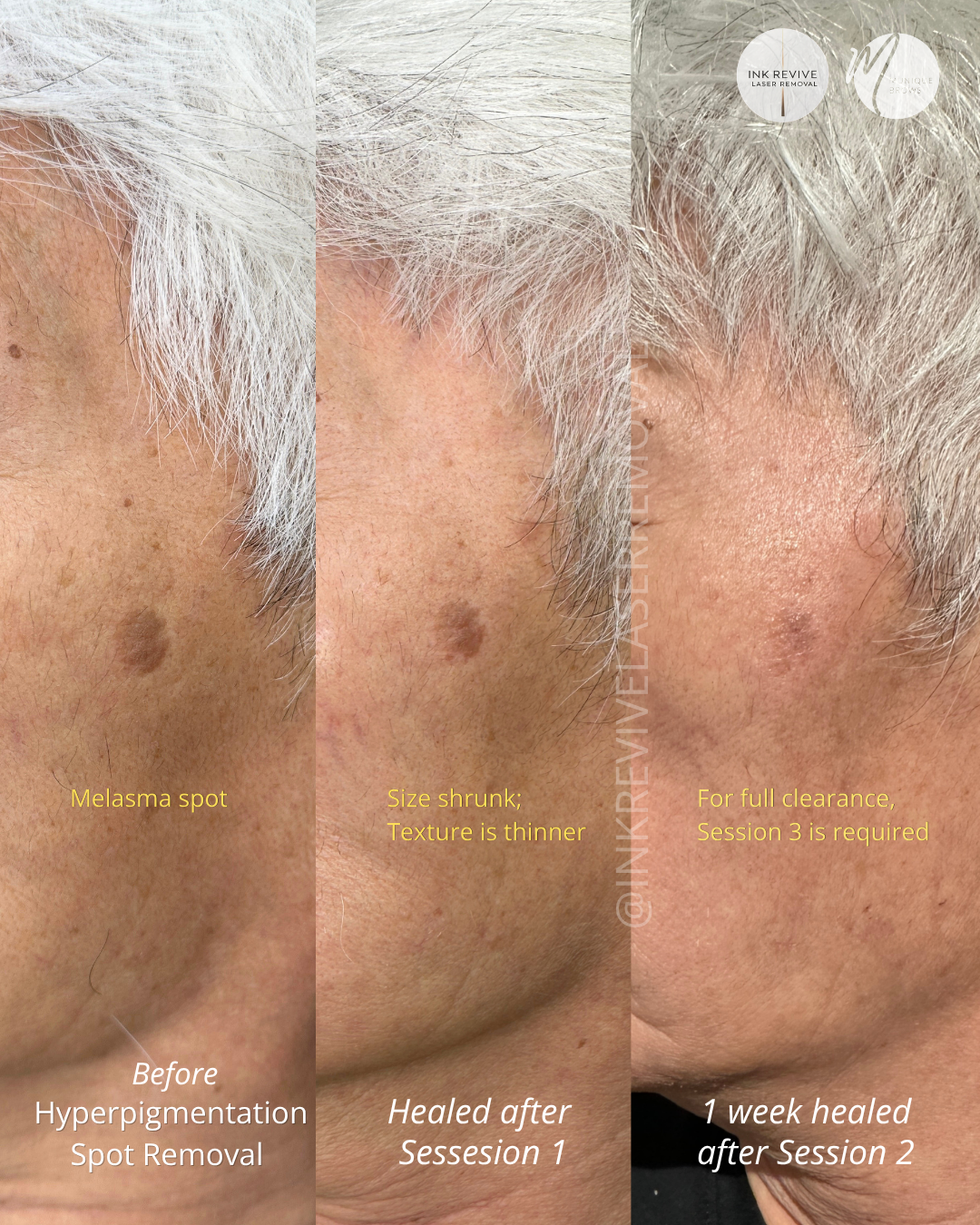
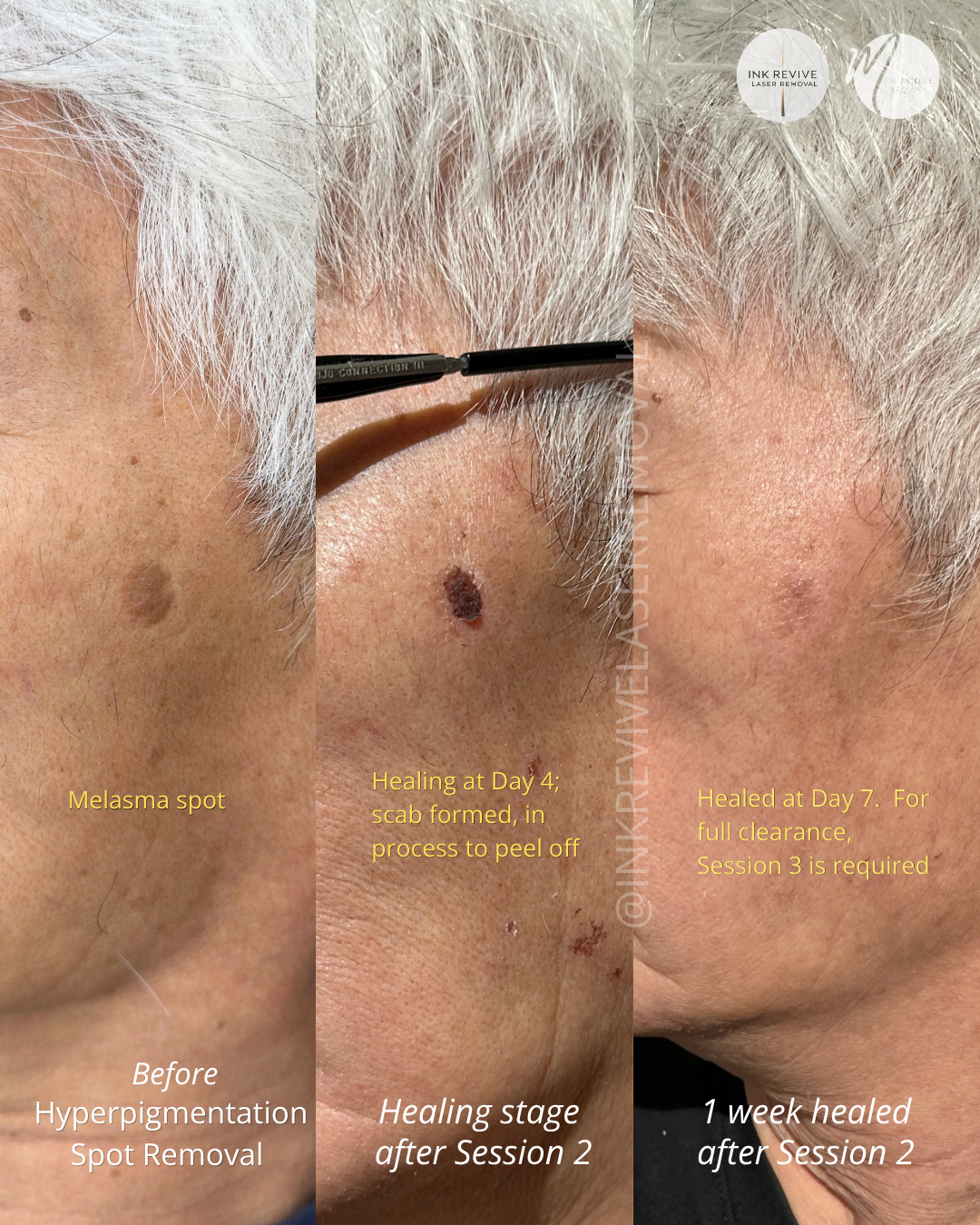
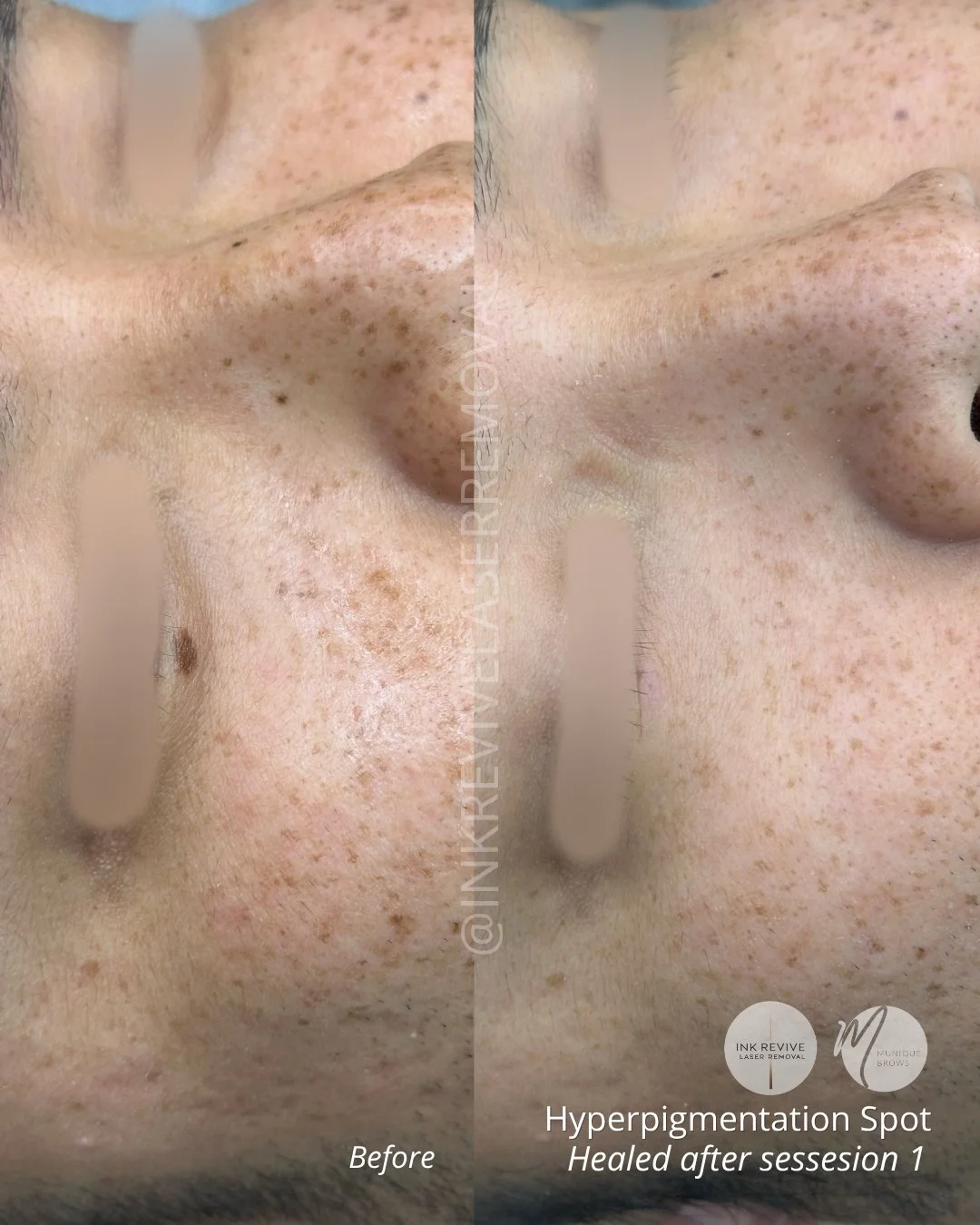
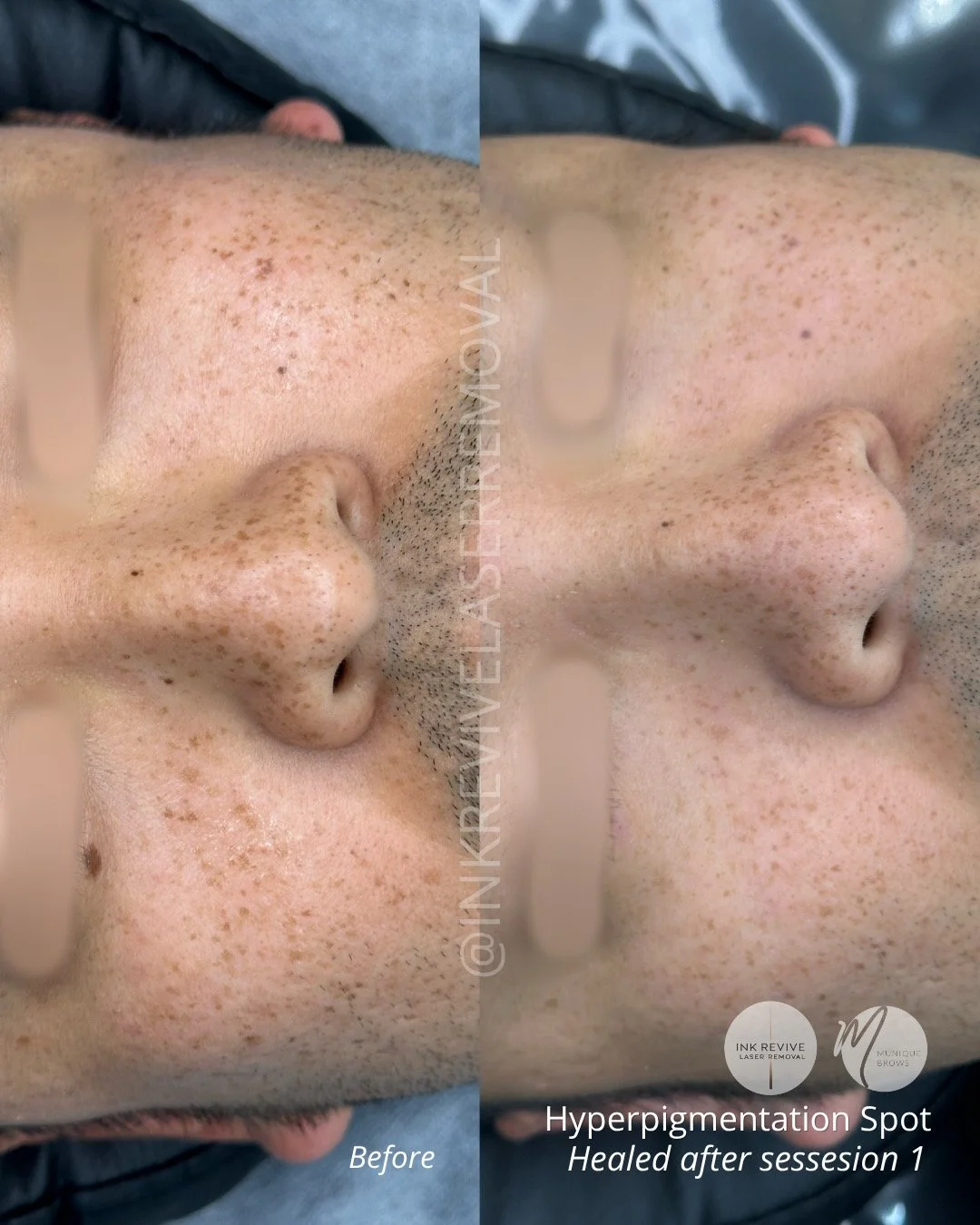
The decision to undergo a laser treatment is rarely made overnight. Usually, it’s the result of months—or even years—of looking in the mirror at a tattoo that no longer fits your vibe, stubborn melasma that won't fade, or hyperpigmentation spots as of result of the sun exposure that creams just can't touch.
If you’ve been Googling "Pico laser" at 2:00 AM, you’ve likely found yourself in a strange headspace: you’re incredibly excited about the results, but a little bit terrified of the process.
Here is the good news: that "nervous-excited" paradox is exactly where most successful journeys begin.
What Everyone is Actually Asking
When it comes to Pico technology, people generally want to move past the marketing fluff and get to the "real talk." These are the three pillars of curiosity:
1. Is it actually better than traditional lasers?
In a word: Yes. Traditional Q-switch lasers use heat to break up pigment. Pico lasers use a photoacoustic effect. By delivering energy in picoseconds (one-trillionth of a second), the laser creates a pressure wave that shatters pigment into microscopic "dust" rather than larger "pebbles." Your body’s immune system can clear "dust" much faster and more efficiently.
2. How long is this going to take?
"How many sessions?" is the million-dollar question. While every body is different, Pico technology has changed the game. What used to take 12–15 sessions with older technology can often be achieved in 4 to 9 sessions with Pico, depending on the depth and color of the pigment.
3. Is it safe for my skin tone?
This is a major concern for those with deeper skin tones (Fitzpatrick types IV–VI). Because Pico lasers rely on pressure rather than intense heat, there is a significantly lower risk of Post-Inflammatory Hyperpigmentation (PIH) or scarring, making it the safest "gold standard" for a diverse range of complexions. Clients’ medical history has to be clearly communicated with the technician as well.
Why the "Nerves" are a Normal Part of the Process
It’s easy to feel confident until you’re sitting in the waiting room. If your heart is racing a little, here is why that’s a completely rational response:
The Fear of the "Snap": We’ve all heard the "rubber band" comparison. It’s normal to be nervous about pain. However, because the pulse is so fast, the heat doesn't build up in the skin. Most patients find that with a little numbing cream and a built in cooling system, the sensation is much more manageable than they anticipated.
The "Frosting" Freak-out: Immediately after a session, the skin can turn white (called frosting). It looks intense! But this is actually a sign that the laser has successfully reacted with the pigment. It’s temporary, safe, and a signal that the process is working.
The Investment: You’re investing time and money into your appearance. It’s natural to feel a bit of "buyer’s anxiety" until you start seeing those first fragments of pigment fade away.
The Reality Check
Pico laser isn't magic, but it is a massive leap in dermatological science. It’s faster, safer, and requires less downtime than almost any predecessor. If you’re feeling that mix of "I can’t wait to have clear skin" and "I’m a little scared of the laser," you’re right on track.
Is this you?